
The solution to every challenge
Industry & Technology
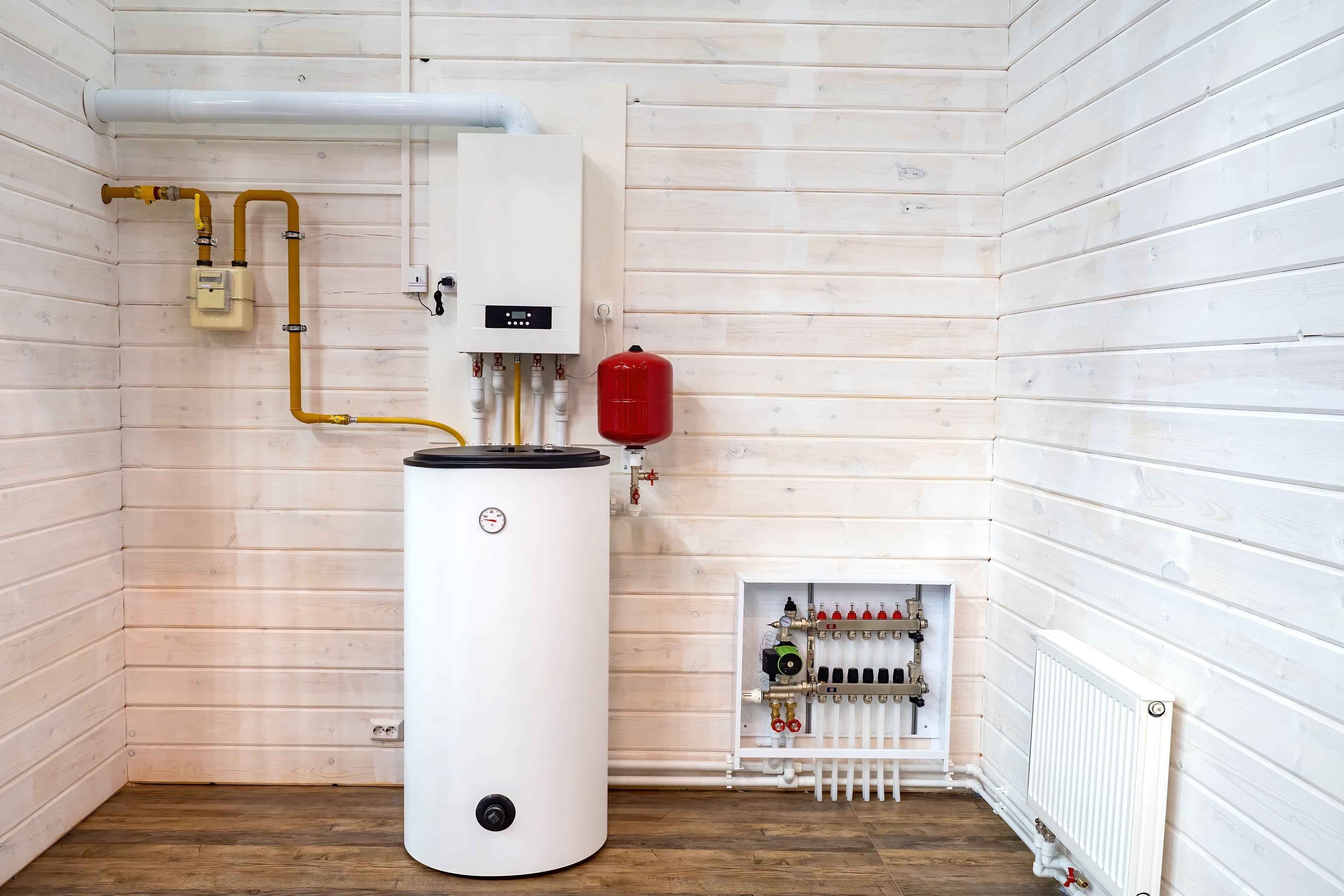
The right solution for every application – efficient, reliable and cost-effective. Our vacuum insulation panels offer the ideal solution for a wide range of industrial and technical applications. Whether for refrigeration technology, pipework or hot-water storage tanks – they impress with their outstanding insulation performance, long-lasting quality and minimal energy losses. As a result, they ensure stable processes, reduced operating costs and efficient use of energy in every application.
- Reduced operating costs
- Cost savings through reduced heat loss
- More space for functionality
Cost reduction and the environment
Preventing energy losses
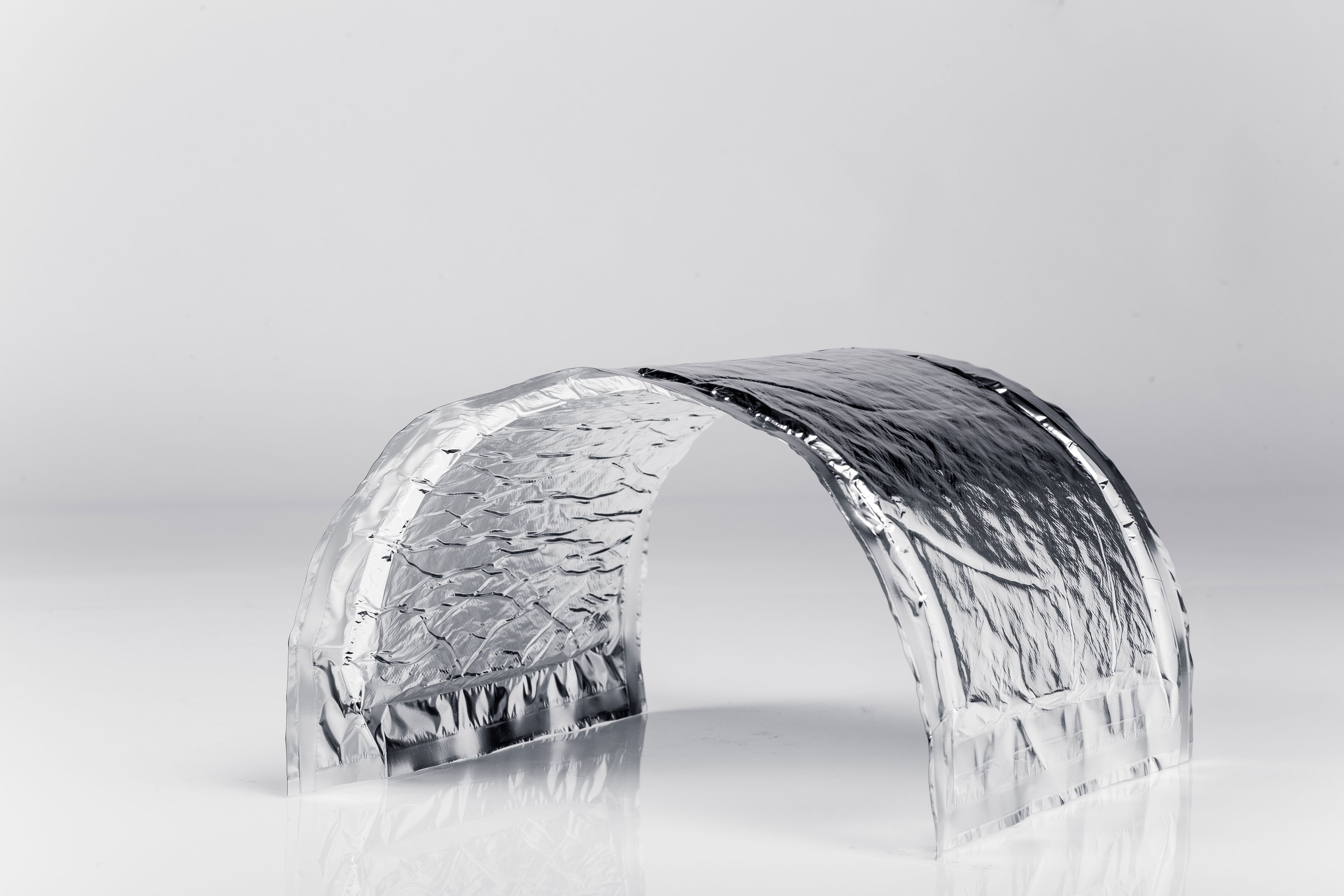
Our vacuum insulation panels reduce energy losses where they cause ongoing costs. Thanks to their outstanding insulating performance, energy is reliably retained within the system, rather than having to be continuously replenished. This ensures lower energy consumption, stable temperature conditions and permanently lower operating costs. This benefit pays for itself quickly, particularly in energy-intensive applications, and sustainably improves the cost-effectiveness of your systems.
Maximum usable volume
When every centimetre counts
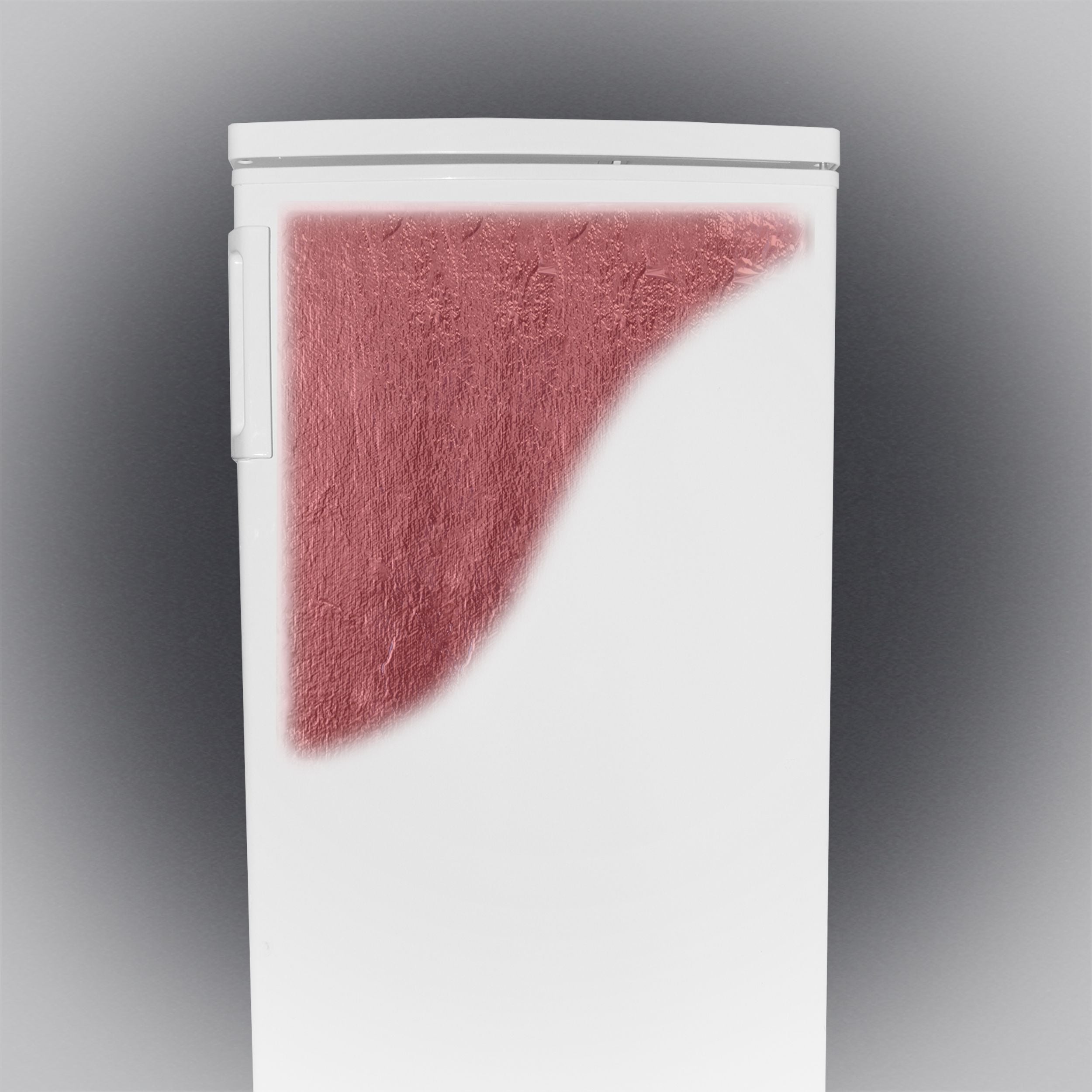
Our vacuum insulation panels create additional interior space where every centimetre counts. Thanks to their exceptional insulating performance, they enable significantly slimmer designs than conventional insulation materials whilst delivering the same level of insulation. This creates more usable volume within existing external dimensions, which increases capacity and improves the cost-effectiveness of your systems. Particularly in refrigeration and storage technology, the extra space gained provides tangible added value and enables a more efficient use of existing resources.
Range of services
Our services for you

Expert advice
Our sales team will advise you on the best product solution for your application

Fast delivery
Smooth processes and short lead times – from planning to delivery

Special bespoke manufacture
Bespoke solutions – precisely tailored to your technical requirements and installation conditions.

Flexible order quantities
From prototype to mass production – economically viable for quantities ranging from 1 to 1,000,000 units.

Personalised project support
Expert support throughout the entire project – from planning through to integration.
Worldwide delivery
We can deliver to (almost) any location worldwide thanks to our logistics experts
Hot-water tank
Achieving energy efficiency classes with ease
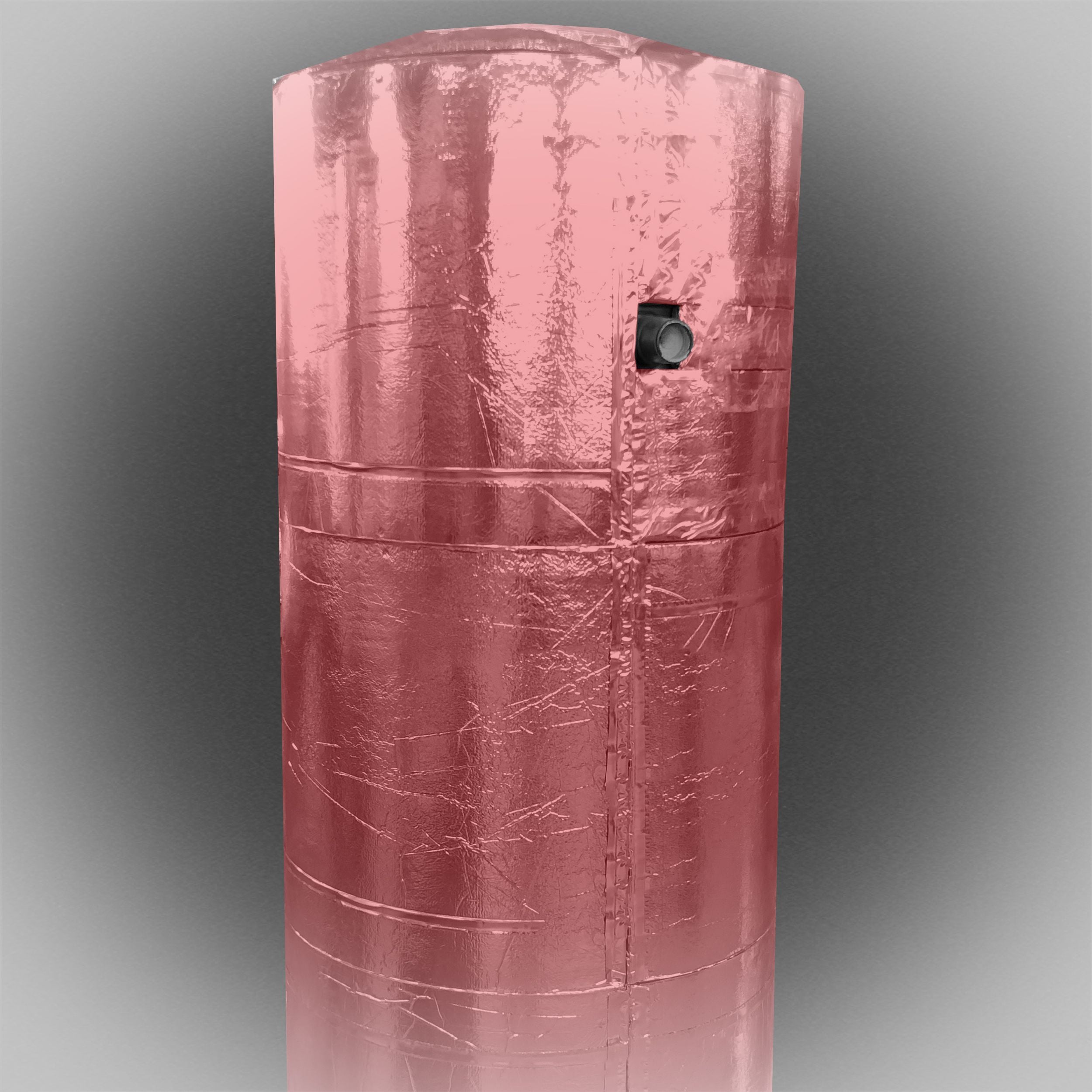
A significant reduction in heat loss noticeably improves the energy efficiency of modern hot-water storage tanks. The low thermal conductivity ensures that the stored energy remains in the system for longer.
This effect can have a direct impact on the energy efficiency class and enables high-performance solutions whilst maintaining a compact design. Full performance is retained even with reduced insulation thickness. This facilitates integration into existing systems and provides additional design flexibility.
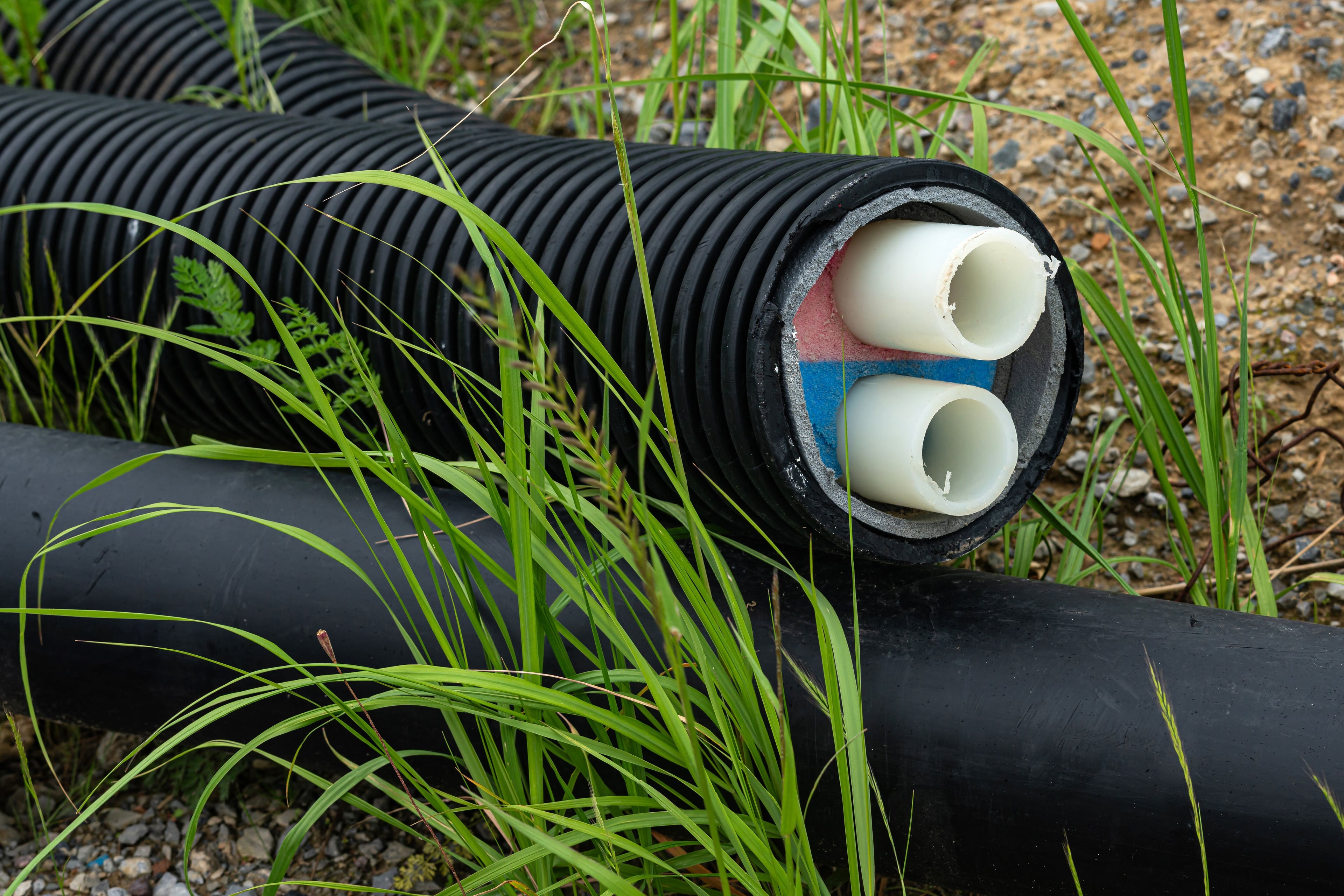
Heat distribution networks
Quick installation and cost-effectiveness
Pipe insulation offers new possibilities, particularly where installation space is limited and high standards of thermal performance are required. Tailored system solutions enable efficient insulation even in the case of complex geometries such as bends or transitions. In practice, these are often combined specifically with traditional insulation materials to achieve a technically robust and cost-effective overall solution.
The result: reduced energy losses, more compact pipework layouts and improved overall efficiency of industrial systems.
Areas of application