Application area
External wall insulation
Anyone wishing to insulate a house façade often has to reckon with significant installation thicknesses when using conventional insulation materials. Effective conventional external wall and façade insulation should be 150–200 mm thick in order to save energy effectively. The house ‘grows’ in width with its insulation; roof overhangs disappear; window reveals become what are known as ‘loopholes’; and less light enters the rooms. Window reveals are usually only lightly insulated and, together with the roller shutter boxes, form thermal bridges. With our vakuVIP vacuum insulation panels, you can achieve comparable results with a thickness of just 30 mm.
- More living space
- Reducing energy costs
- Preventing mould
More living space
Greater value
Thanks to the exceptionally high insulating performance of vakuVIP, the required level of insulation can be achieved with significantly thinner walls than with conventional insulation materials. This creates additional usable and living space, which can generate considerable economic added value, particularly in residential construction.
Studies show that, on average, up to 6 per cent more living space can be achieved in new-build properties. For example, a flat with 100 m² of usable floor area can thus be converted into around 106 m² of living space. As property value is generally based directly on the marketable floor area, the value of the property increases accordingly.
In conurbations where purchase prices exceed €10,000 per m², this translates to a potential increase in value of around €60,000 for a 100-m² flat. Both investors and developers benefit from this through higher sales proceeds, rental income and improved space efficiency.
vakuVIP also offers decisive advantages for refurbishment projects in existing buildings. Where limited space often leads to compromises on insulation thickness, vakuVIP enables high-quality thermal insulation without sacrificing valuable living space. This means rooms retain their original size whilst ambitious energy efficiency targets can be achieved.
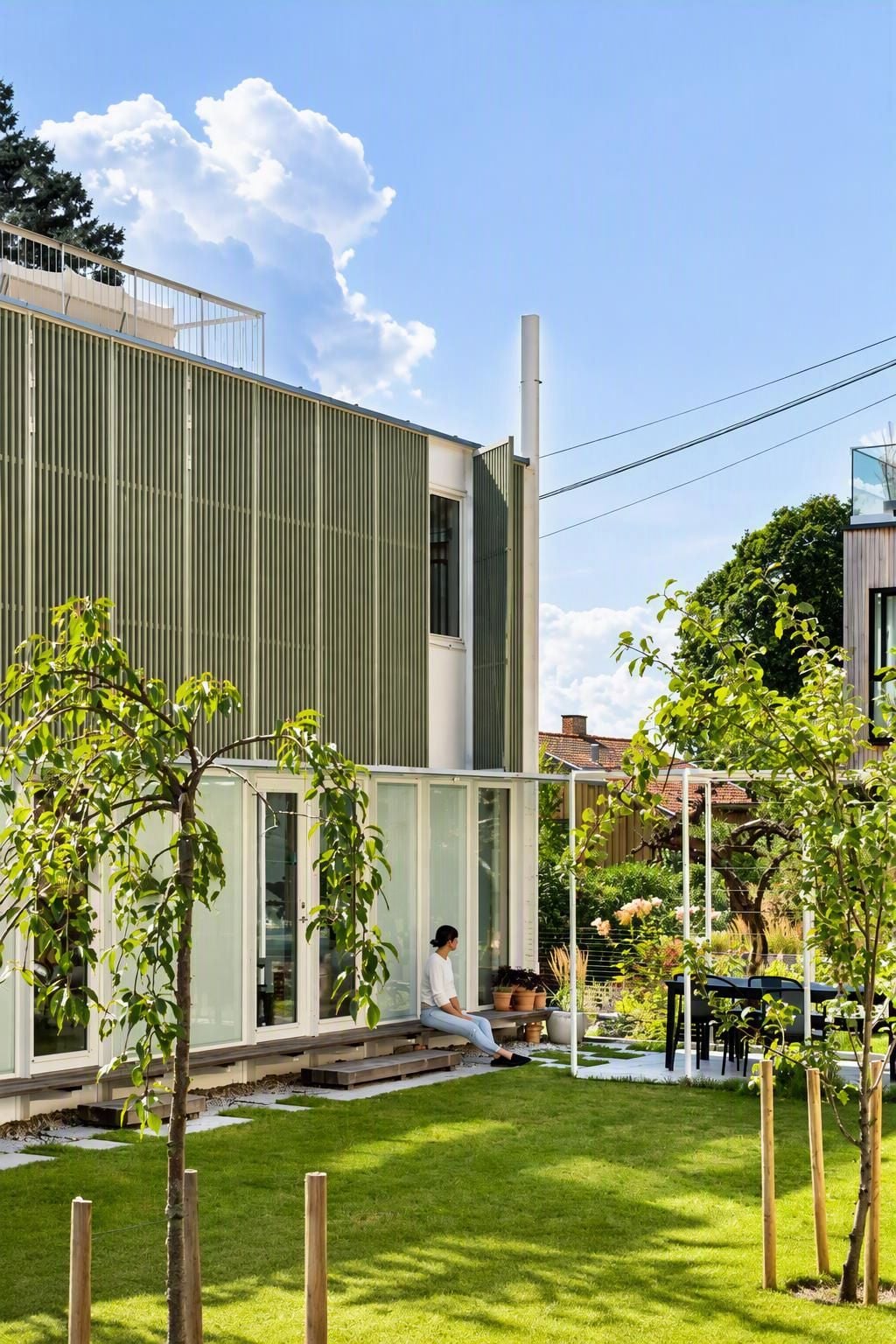
Photo: Reference property featuring vakuVIP vacuum insulation panels in the external wall insulation. The semi-detached house is located in Oslo.
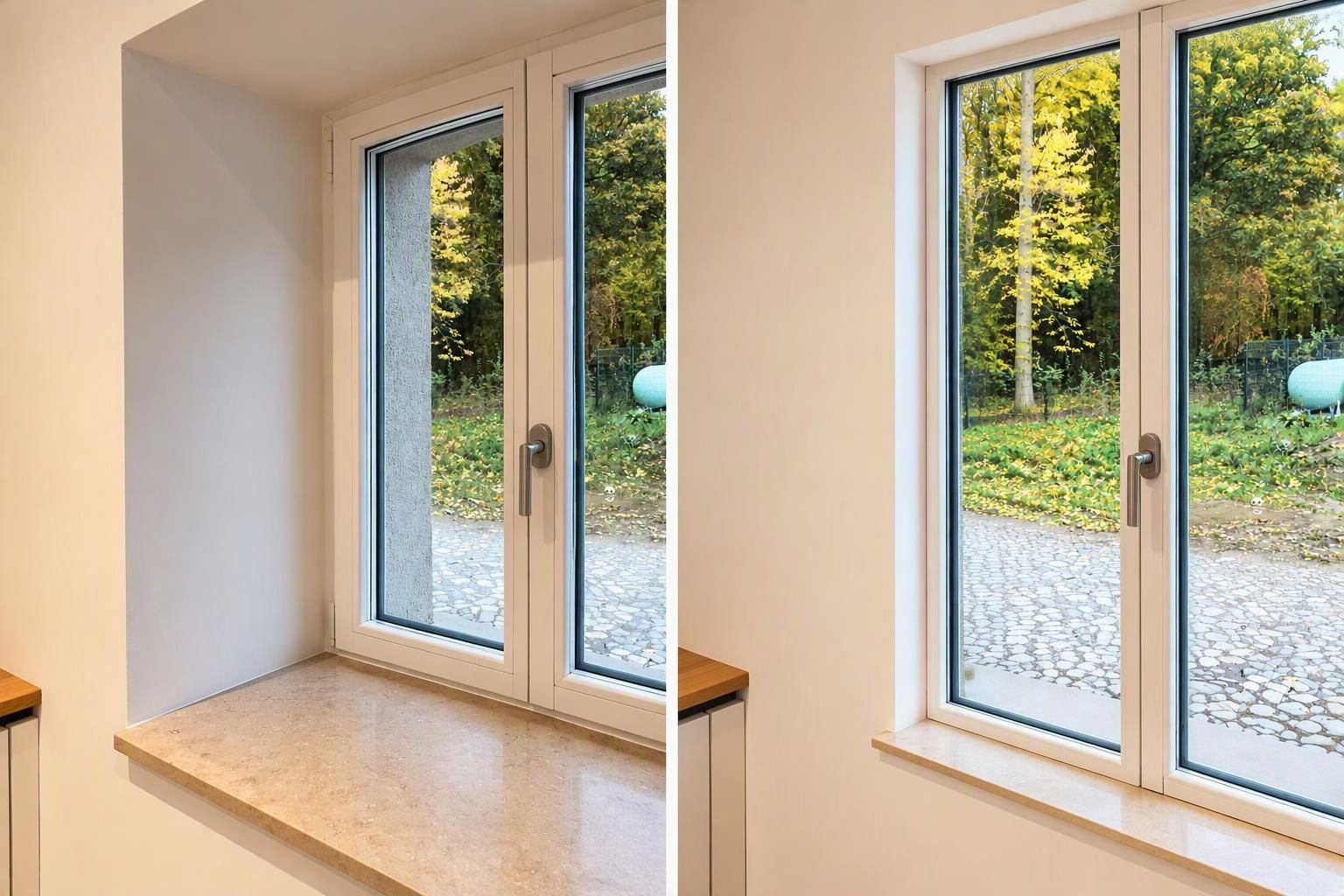
More light
Slim walls
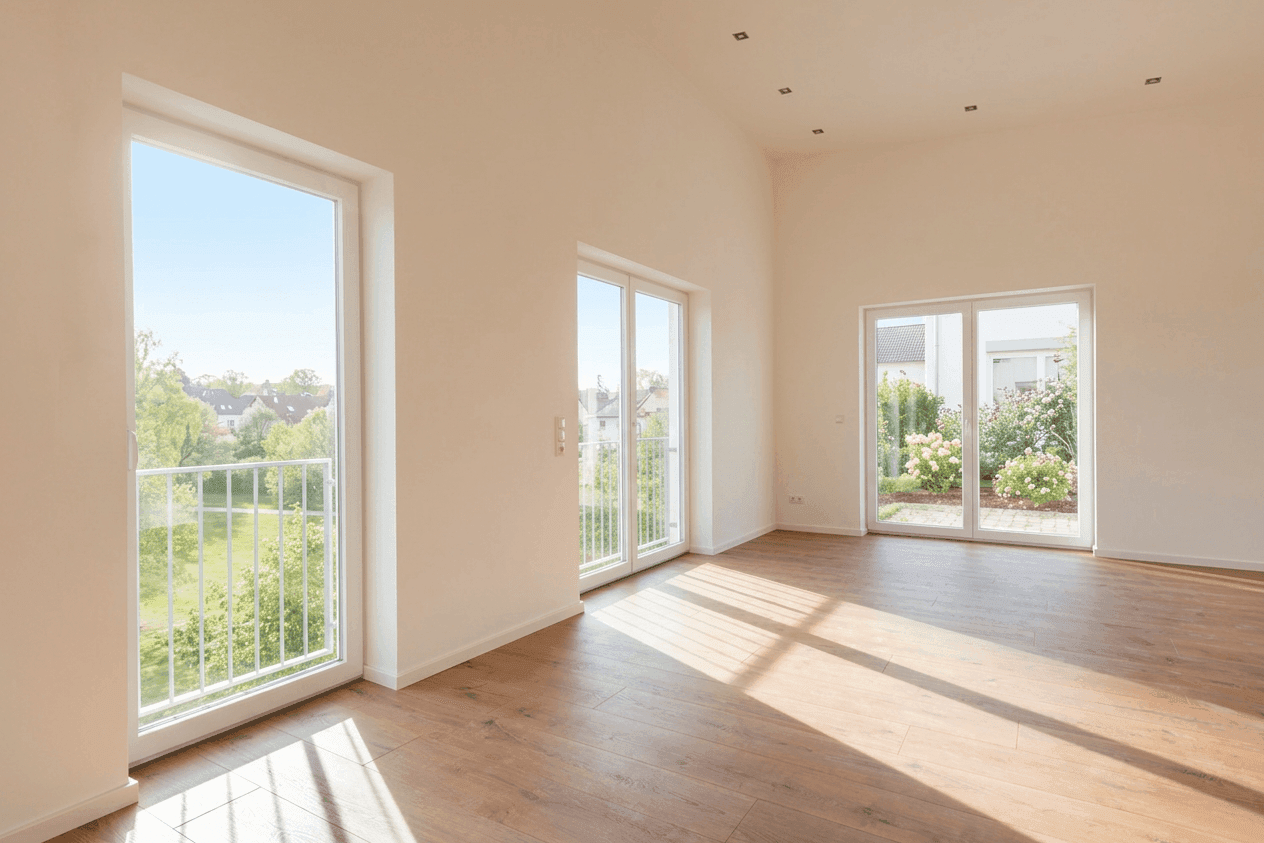
Conventional insulation materials require significantly more volume to achieve the same performance. Our vacuum insulation panels allow walls to be kept slim, both in new-builds and in existing buildings. This advantage results in a modern look. It enables light-filled rooms, thereby increasing the property’s value. The illustration shows a refurbished wall that was previously insulated with conventional insulation materials (left-hand side) and with our vacuum insulation panels (right-hand side – simulation). The difference is highlighted – the amount of light entering the room is significantly improved.
Efficient use
It’s as simple as this:
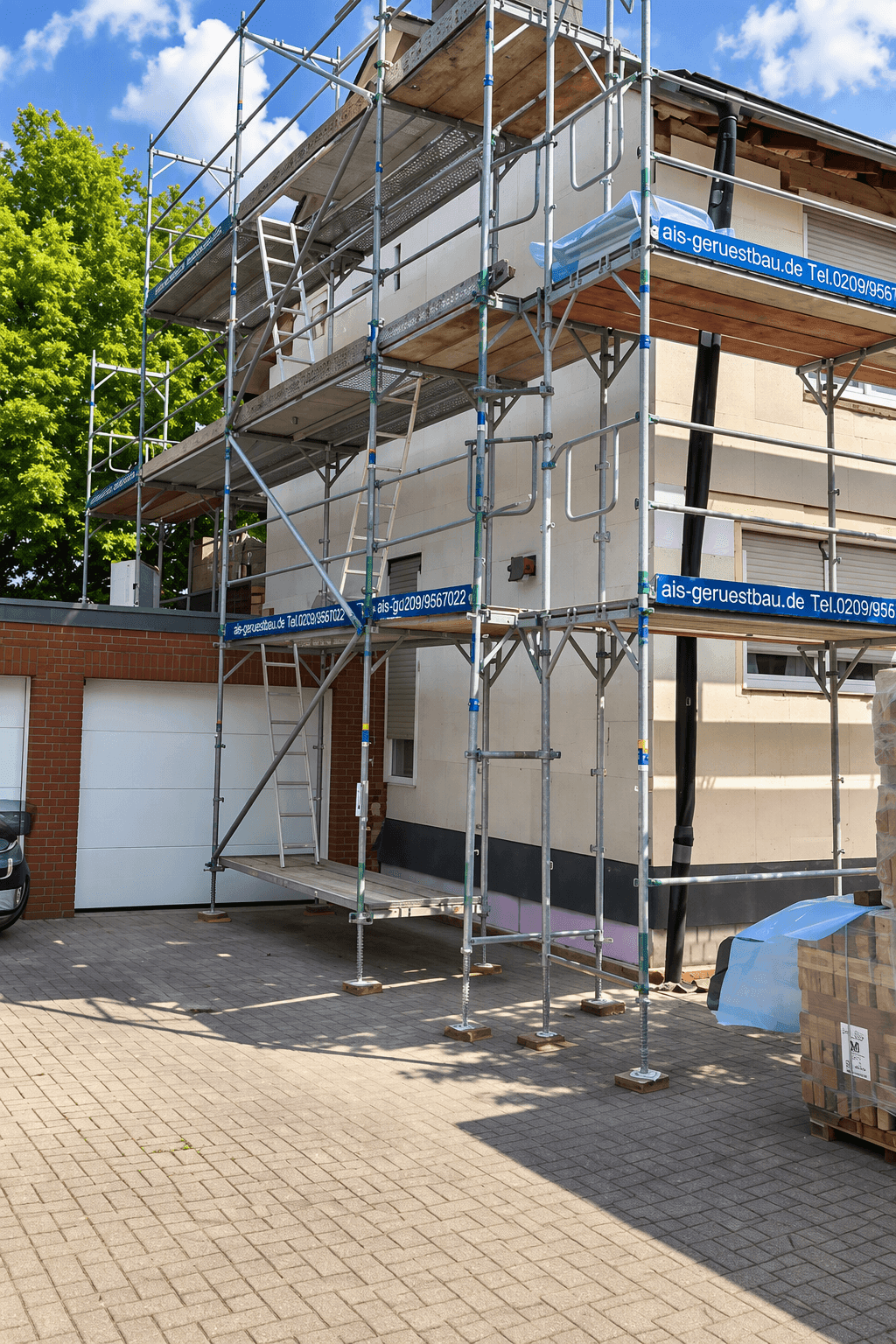
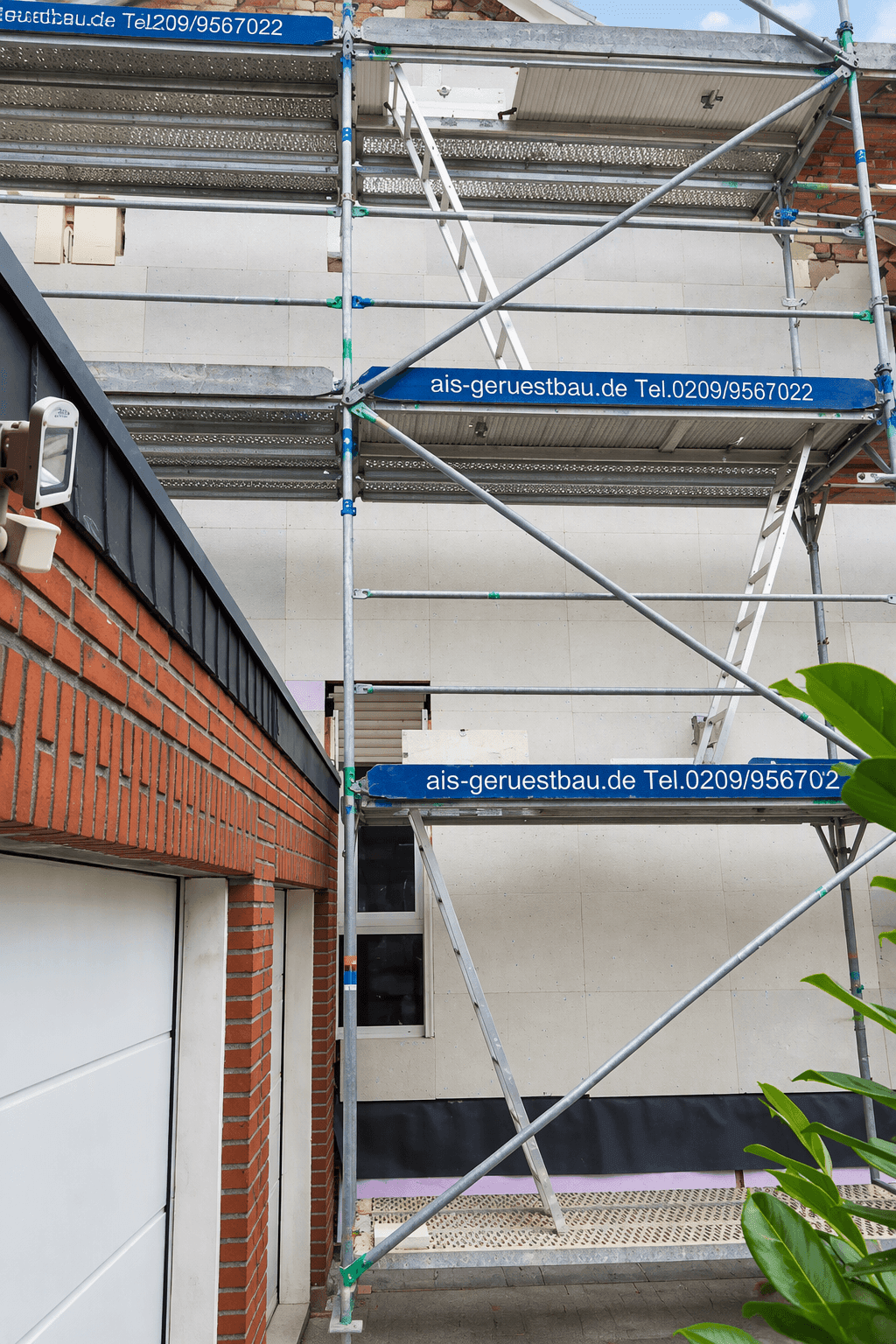
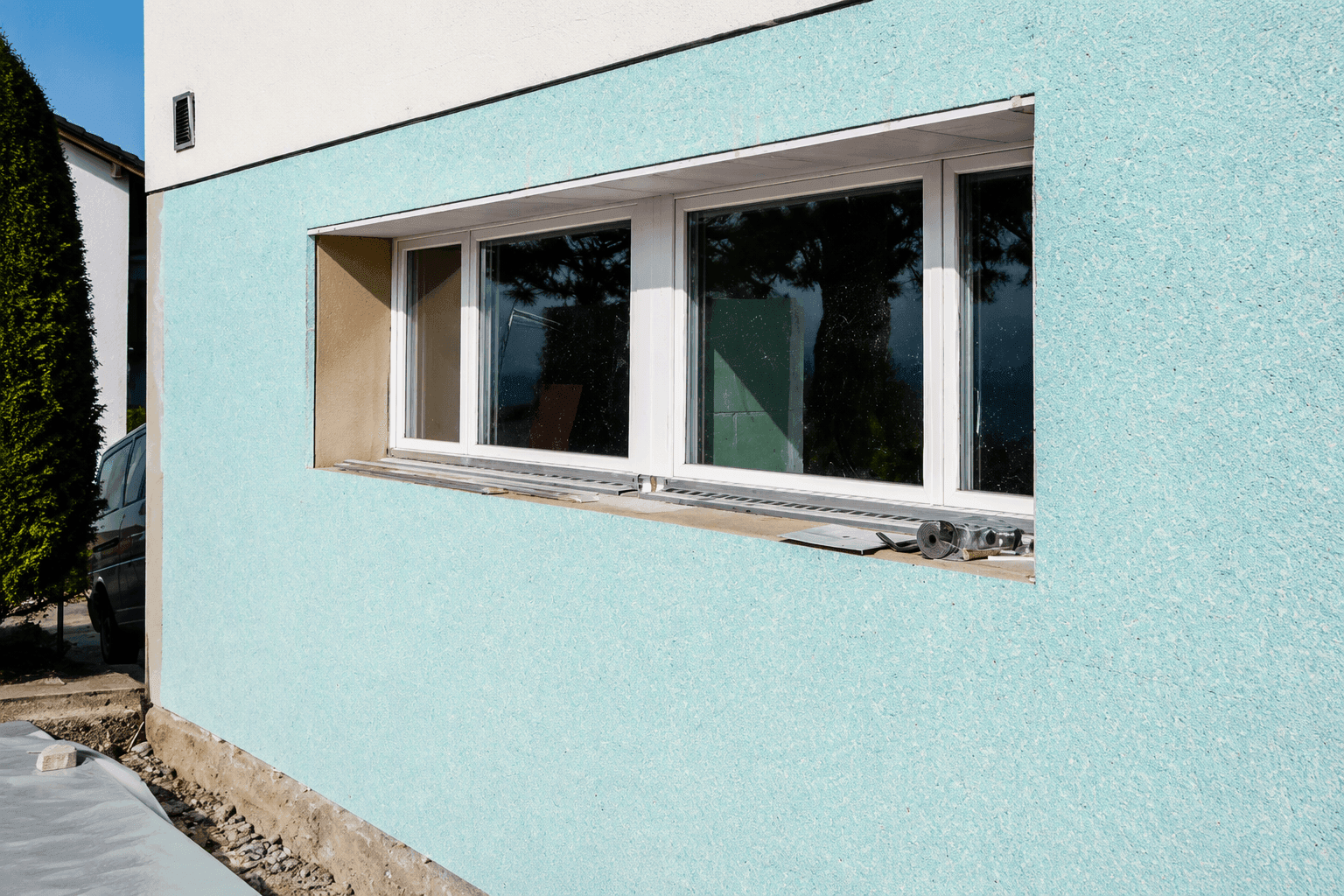
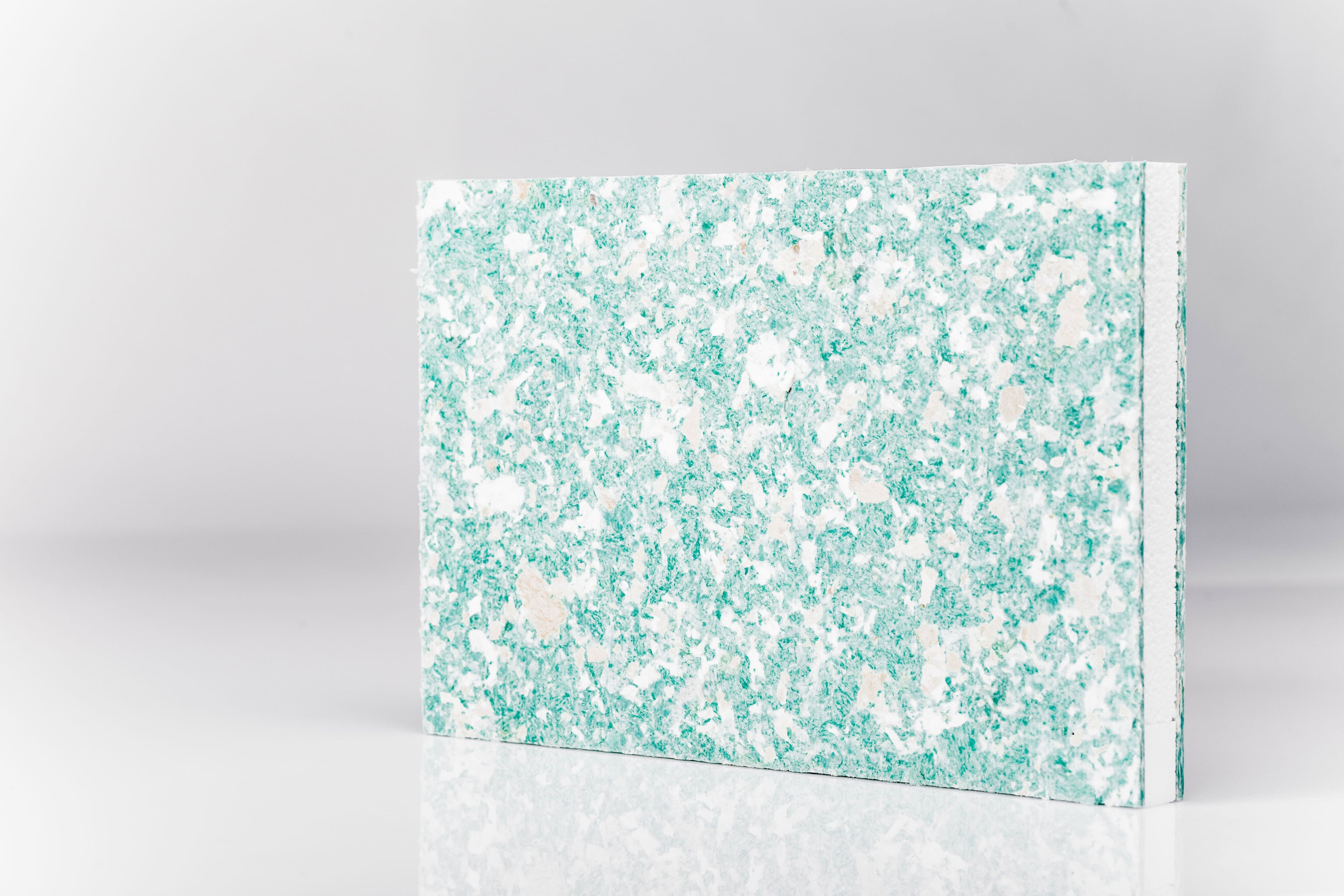
Installation is straightforward. In the examples shown here, the vakuVIP building board was used. This is bonded to the façade using standard mortar adhesive, fixed with dowels around the perimeter EPS insert, covered with a layer of plaster mesh and then plastered. Consequently, once plastered, the façade looks no different from other house walls. Alternatively, the external wall can also be insulated using a timber frame construction with vakuVIP B2. A photograph illustrating this can also be found in the gallery opposite.
PRODUCT Recommendations
The ideal VIP package for you
Tailor-made advice
Do you have any questions or would you like a personalised consultation?
Please contact our sales team – we’ll be happy to provide you with expert advice tailored to your specific application and find the ideal solution for your project.